
Vintage Glass Mixing Glass Sets: A Buyer's Guide
Last Updated: October 23, 2026
Quick Summary
A vintage glass mixing glass is a functional barware piece with superior glass construction, thicker walls, and authentic craftsmanship that elevates cocktail preparation. Most vintage mixing glasses range from 16 to 32 ounces, with 24 ounces being ideal for standard cocktails, and should feel substantial in hand with a wide mouth of 3 to 4 inches in diameter.
- Look for maker marks or etched patterns on the bottom to verify authenticity and higher-quality glass production
- Genuine vintage pieces feel heavier than modern reproductions and show subtle imperfections like tiny bubbles or minor scratches
- Hand-wash vintage mixing glasses in warm soapy water and avoid dishwashers to prevent thermal shock and damage
- A complete vintage glass mixing glass set includes the primary glass plus complementary pieces like a bar spoon and strainer
- Lead crystal requires more careful handling than standard glass, making standard glass a better choice for frequent entertaining
Table of Contents
- What Makes a Vintage Glass Mixing Glass Set Worth Buying
- Cocktail Mixing Glass Set Essentials: What to Look For
- Mixing Glass With Strainer: Understanding Your Core Tool
- Crystal Cocktail Mixing Glass vs. Standard Glass: Which Performs Better
- Authenticity, Condition, and Care: How to Identify Real Vintage Pieces
- Vintage Style, Capacity, and Practical Use: Matching Sets to Your Entertaining
- Common Mistakes When Choosing Vintage Mixing Glass Sets
- Frequently Asked Questions
What Makes a Vintage Glass Mixing Glass Set Worth Buying
A vintage glass mixing glass set is more than just functional barware, it's a statement about how you entertain and the moments you want to create. At Tipsyish, we believe that the right tools make hosting feel effortless and memorable. When you choose vintage, you're investing in pieces with history, character, and authentic craftsmanship that modern mass-produced alternatives simply can't replicate.

The appeal goes beyond aesthetics. Vintage mixing glasses often feature superior glass construction, thicker walls, and weight that makes stirring cocktails feel intentional and controlled. They become conversation starters, heirloom-quality pieces that guests notice and remember. Whether you're mixing classic cocktails or crafting mocktails, the ritual of using a vintage glass elevates the entire experience.
What separates a worthwhile vintage set from a mediocre one comes down to three factors: authenticity, functionality, and condition. But not every vintage glass is worth the investment.
Cocktail Mixing Glass Set Essentials: What to Look For
When evaluating a vintage glass mixing glass set, focus on the core specifications that determine whether it will actually work in your home bar. Capacity matters more than you might think. Most vintage mixing glasses range from 16 to 32 ounces, with 24 ounces being the sweet spot for standard cocktails.
Weight and thickness are your reliability indicators. Authentic vintage pieces feel substantial in your hand. This heft comes from the glass composition itself, usually lead crystal or heavy soda-lime glass. Thinner modern reproductions feel flimsy by comparison and are more prone to chipping or breaking during use.
The shape matters for both function and aesthetic. Classic designs feature a wide mouth (roughly 3 to 4 inches in diameter) and a slightly tapered body. This geometry makes it easier to stir without splashing and allows room for ice without overcrowding.
Look for glasses with a flat bottom or subtle footed design. Footed glasses, those with a small base or pedestal, add visual interest and were especially popular in the 1950s and 1960s. However, they're slightly more fragile at the connection point between foot and bowl, so inspect that joint carefully if you're buying vintage.
| Feature | Why It Matters | What to Look For |
|---|---|---|
| Capacity (ounces) | Determines batch size for cocktails | 24 oz is ideal for most home bars |
| Weight (ounces) | Indicates glass quality and durability | 8-14 oz when empty |
| Mouth diameter | Affects stirring control and ice fit | 3-4 inches wide |
| Glass composition | Determines clarity, weight, and longevity | Lead crystal or heavy soda-lime |
| Bottom design | Impacts stability and visual style | Flat or footed base |
Mixing Glass With Strainer: Understanding Your Core Tool
A mixing glass with strainer functionality is essential if you're building a complete vintage barware set. Technically, the strainer is a separate tool, a bar spoon with a coil or perforated disc, but understanding how these pieces work together defines whether your setup is truly functional or just decorative.
The mixing glass itself doesn't have built-in strainer capabilities. Instead, you'll use a Hawthorne strainer (the coiled version) or a julep strainer (the flat, perforated disc) held against the rim while pouring. This separation of tools is actually ideal because it gives you flexibility and control. A high-quality vintage mixing glass paired with proper straining tools lets you execute professional-level cocktail preparation.
When shopping for vintage sets, prioritize finding a mixing glass that has a well-defined pouring lip or spout. Some vintage designs feature a subtle ridge or indentation that guides liquid smoothly into a jigger or serving glass. This small detail prevents spilling and makes the entire process feel more refined.
The relationship between your mixing glass and strainer determines your cocktail workflow. You'll stir your ingredients in the glass, then hold the strainer in place as you pour.
Crystal Cocktail Mixing Glass vs. Standard Glass: Which Performs Better
The distinction between crystal cocktail mixing glass and standard glass determines both performance and longevity. Lead crystal, glass containing at least 24% lead oxide, is denser, heavier, and more refractive than standard soda-lime glass.
From a functional standpoint, lead crystal and high-quality standard glass perform nearly identically for cocktail mixing. Both conduct cold efficiently, both are durable when properly cared for, and both allow you to see your drink as it comes together. The real difference emerges in aesthetics and perceived value.
A genuine crystal piece from the 1950s or 1960s has a certain luminosity and weight that feels luxurious. However, if your priority is function over prestige, a well-maintained vintage standard glass performs just as well at a lower cost.
One practical consideration: lead crystal requires more careful handling. If you're entertaining frequently or have a busy household, a standard glass might be the smarter choice for durability.
The choice ultimately depends on your entertaining style. If you're hosting formal dinner parties and want pieces that showcase your thoughtfulness, crystal is worth the investment. If you're mixing daily or entertaining casually, standard glass is perfectly functional and less anxiety-inducing when guests are handling it.
Authenticity, Condition, and Care: How to Identify Real Vintage Pieces
Identifying authentic vintage glass mixing glass sets requires attention to specific markers that separate genuine pieces from modern reproductions.
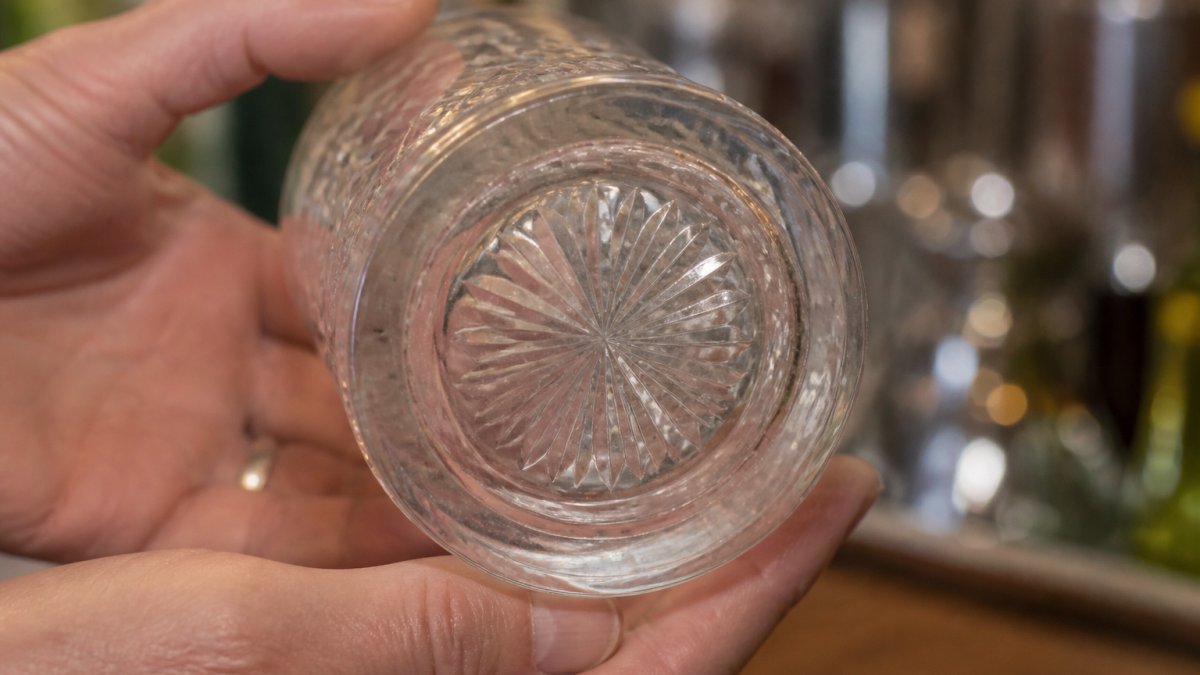
Examine the glass surface under bright light. Authentic vintage pieces often show subtle imperfections, tiny bubbles, slight color variations, or minor scratches, that indicate hand-blown or machine-produced glass from the mid-century era.
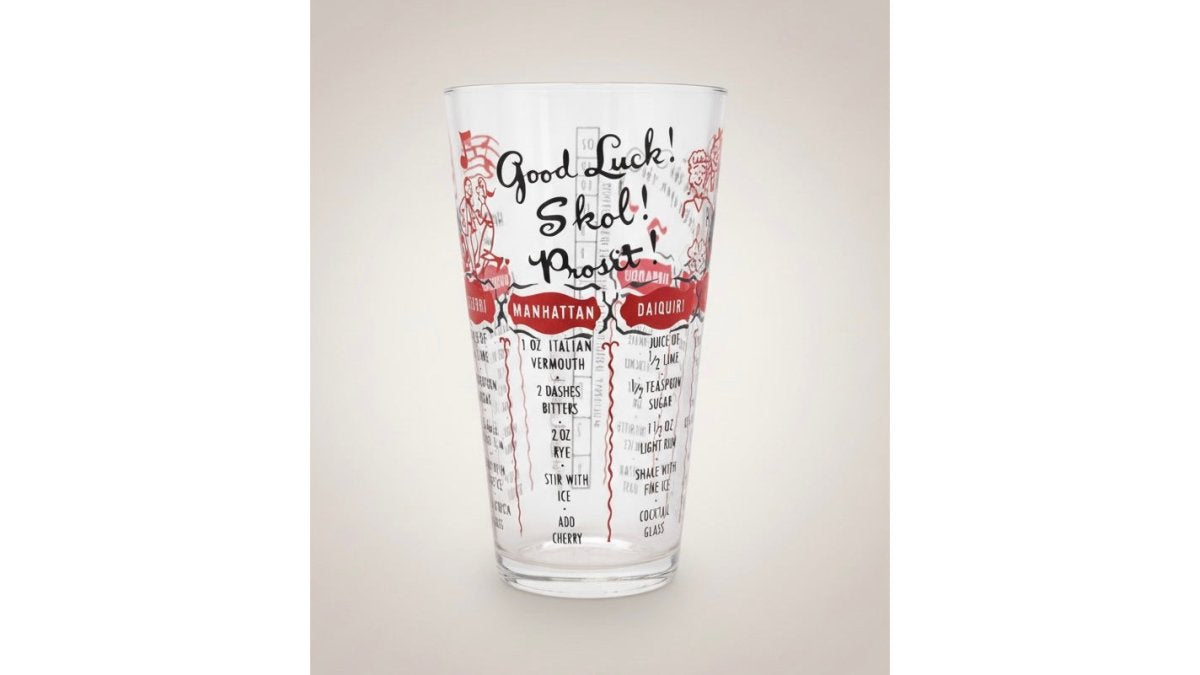
Vintage Cocktail Recipe Mixing Glass | Retro Barware Mixer Glass with Classic →
Weight is another authentication tool. Lift the glass and assess its heft relative to its size. Genuine vintage mixing glasses feel substantially heavier than modern equivalents of similar volume.
Condition assessment requires honesty about wear patterns. Light scratches on the exterior are normal and expected, they're proof of use.
For pieces with printed designs or recipes, like the Vintage Cocktail Recipe Mixing Glass from Tipsyish, check that the graphics remain bright and legible.
Care for vintage mixing glasses by hand-washing in warm soapy water. Avoid dishwashers, which expose the glass to extreme temperature swings and harsh detergents. Dry immediately with a soft cloth to prevent water spots.
Vintage Style, Capacity, and Practical Use: Matching Sets to Your Entertaining
Your entertaining style should drive your choice of vintage glass mixing glass set. Consider how often you host and what types of drinks you serve. If you're hosting formal cocktail parties twice monthly, a set of three to four matching glasses in 24-ounce capacity makes sense.
Capacity directly impacts your workflow. A 24-ounce glass allows you to mix two standard cocktails simultaneously without overcrowding. A 16-ounce glass works for single drinks but feels cramped if you're stirring multiple servings.
Style preferences range from minimalist modern designs to ornate cut-glass patterns. Minimalist vintage glasses from the 1960s feature clean lines and subtle etching, which pair well with contemporary home décor. Cut-glass pieces with diamond patterns or geometric designs evoke 1950s glamour and work beautifully in traditional or eclectic settings.
The versatility of vintage mixing glasses extends beyond cocktails. They work equally well for stirring mocktails, blending cold beverages, or serving iced tea at gatherings. This multipurpose functionality makes them practical investments, not just aesthetic choices.
Consider set completeness when shopping. A true vintage glass mixing glass set includes the primary glass plus complementary pieces, a bar spoon, strainer, and perhaps a jigger. Tipsyish curates complete sets that work together as a cohesive system.
Common Mistakes When Choosing Vintage Mixing Glass Sets
The biggest mistake is prioritizing appearance over function. Before committing to a purchase, think through your actual mixing routine, do you prefer stirring large batches or single drinks? Do you value speed or precision?
Many buyers overlook condition issues that become apparent only after purchase. Always request detailed photos from multiple angles and ask specific questions about any visible wear.
Another common error is buying a set without considering whether the pieces actually work together. A mixing glass, strainer, and bar spoon should complement each other stylistically and functionally. Mismatched vintage pieces can feel cluttered rather than curated. The pieces are already selected to work as a coherent system.
Underestimating storage needs leads to regret. Vintage glasses require dedicated cabinet space where they won't be knocked around. If you don't have proper storage, a large set becomes impractical. Start with one or two quality pieces and expand only if you have room to display and protect them properly.
Finally, don't assume that higher price equals better quality. Some vintage pieces command premium prices simply because they're rare, not because they're superior for mixing cocktails.
Choosing the right vintage glass mixing glass set means balancing aesthetics with functionality, authenticity with condition, and ambition with realistic entertaining frequency. Explore our collection of authentic vintage mixing glasses and complementary bar tools to build a set that reflects your entertaining style and brings genuine joy to every gathering you host.
Frequently Asked Questions
What should a vintage glass mixing glass set include?
A functional vintage mixing glass set typically includes the mixing glass itself, a bar spoon for stirring, a strainer, and sometimes a jigger for measuring. The mixing glass is the centerpiece, usually 16 to 24 ounces in capacity. Look for sets where pieces complement each other in style and era. Some vintage sets are sold individually, so verify what's included before purchasing. Complete sets are rarer and command higher prices, but they ensure all pieces work together aesthetically and functionally.
How can you tell if a vintage mixing glass is in good condition?
Examine the glass for chips, cracks, or cloudiness inside. Light scratches and minor wear on the base are normal for vintage pieces. Check that any printed recipes or designs remain bright and legible. Run your fingers along the rim and base for rough edges. Look for maker marks or signatures etched into the glass, these indicate authenticity. Verify the glass holds liquid without leaking. Excellent vintage condition means the piece shows age-appropriate wear but remains fully functional and visually appealing.
Can you use a vintage mixing glass for everyday cocktails?
Yes, vintage mixing glasses are fully functional for regular use if they're in good condition. Many were designed for exactly this purpose during the 1950s and 1960s. However, handle them with care, vintage glass is often thinner than modern barware and more prone to breakage. Hand wash rather than use the dishwasher to preserve printed graphics and protect the glass from thermal shock. If a piece is rare or collectible, you may prefer to display it and use a reproduction or modern mixing glass for daily cocktails instead.
What is the point of a mixing glass?
A mixing glass is essential for preparing stirred cocktails like martinis, Manhattans, and Negronis. You add spirits, mixers, and ice to the glass, stir with a bar spoon to chill and dilute the drink, then strain into a serving glass. The mixing glass keeps ice separate from the finished drink and allows you to control temperature and dilution precisely. Vintage mixing glasses often feature capacity markings and recipe guides printed on the exterior, making them both functional tools and educational pieces that spark conversation during entertaining.


Comments